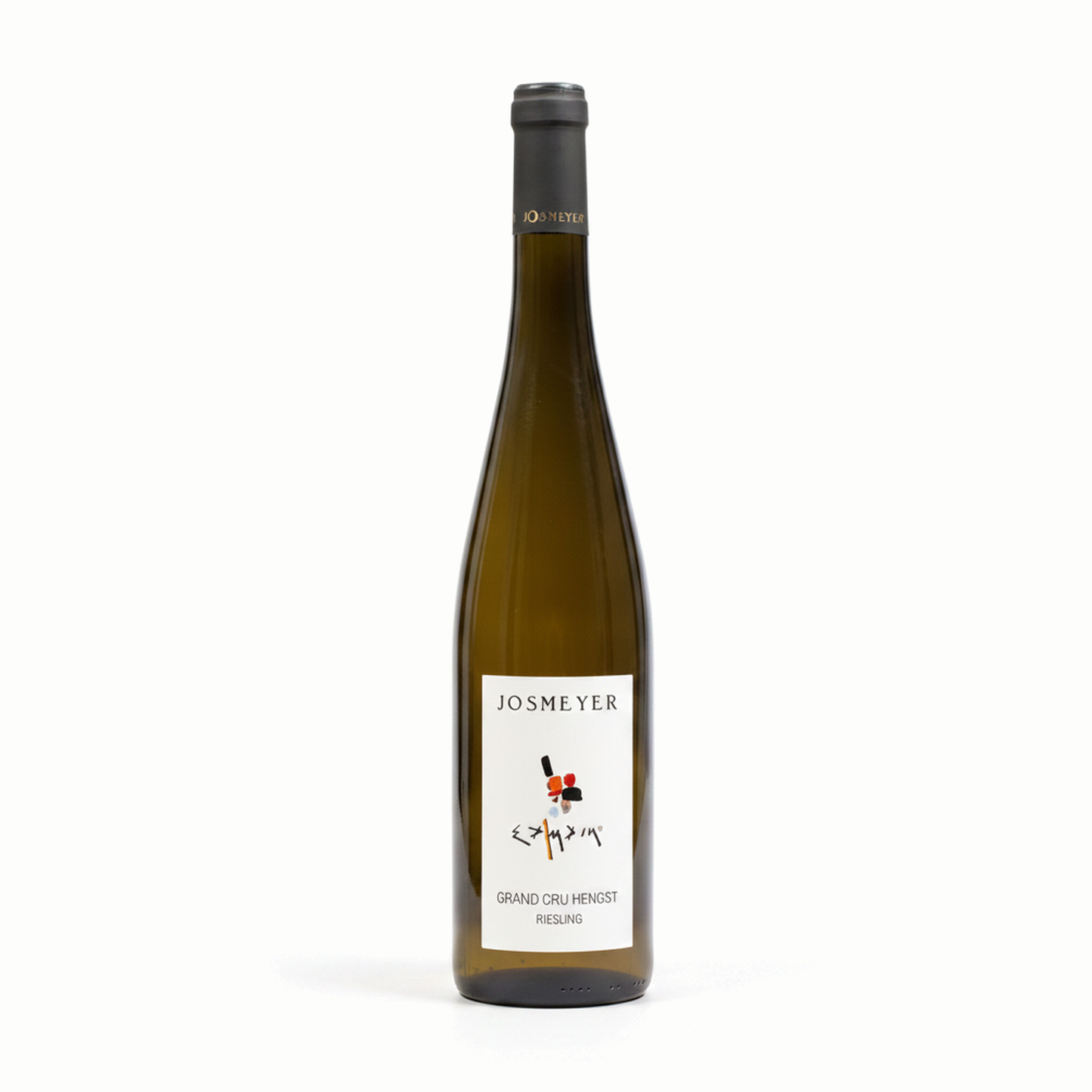
RIESLING GRAND CRU HENGST SAMAIN 2019
RIESLING GRAND CRU HENGST SAMAIN 2019
Couldn't load pickup availability
This great dry white wine combines power, minerality, and salinity. It is a model in terms of evolution. This plot selection provides a finer perception thanks to a fermentation often very different from that of Hengst, with more taut acidity. Riesling Samain is connected to the sky as well as to the earth. In warm years, the nose reveals notes linked to the imprint of light on limestone, enhanced by citrus and aromatic herbs. The palate always evolves on minerality, tinged with spices, sap, citrus, long bitters, and strong salinity. The acidity is linked to the density of the terroir; it prolongs the structure and, in cool years, brings verticality. White fruits are then highlighted, along with verbena and sweet spices linked to flint and the delicate framework of the vintage.
Terroir
Terroir
This Riesling comes from three neighboring plots, located on the Hengst ridge. This Grand Cru, facing South-Southeast, culminates at 360 meters and is located in the commune of Wintzenheim.
The total area is 53 hectares. The Hengst terroir consists of brown calcareous, sandy, and clayey soils associated with Oligocene conglomerates. This stony soil comes from Muschelkalk limestone intertwined with clay. It is a powerful wine-growing land that warms up quickly in spring. Rooting is favored by the stony structure, and it has a water reserve thanks to the conglomerates.
Sowing one row out of two Light plowing.
Winemaking
Winemaking
Harvesting is 100% manual. Our approach remains traditional. Grapes are whole-bunch pressed for about 7 hours in our pneumatic presses.
Devatting is natural. Fermentation starts spontaneously with wild yeasts in a century-old foudre. This is followed by ageing on fine lees for several months, until bottling, which usually takes place in July.
Before bottling, the wine is filtered. It can be re-adjusted with sulfur, if necessary, at that time.
Tasting and Pairings
Tasting and Pairings
This great dry white wine combines power, minerality, and salinity. It is a model for evolution. This single-parcel selection provides a finer perception thanks to a fermentation often very different from that of the Hengst, with more taut acidity. The Riesling Samain is connected to the sky as well as to the earth. In warm years, the nose is characterized by the imprint of light on limestone, enhanced by citrus and aromatic herbs. The palate always evolves on minerality, tinged with spices, sap, citrus, long bitters, and strong salinity. The acidity is linked to the density of the terroir, it prolongs the structure, and in cool years, it brings verticality. White fruits are then highlighted, along with verbena and sweet spices linked to flint and the delicate framework of the vintage.
This wine will be the preferred partner for fine fish and shellfish (lobster – rock lobster). As it ages, creamy poultry dishes or those with full-bodied gravies will flourish thanks to its dense minerality. After 20 years, a pot-au-feu with marrow bone will sharpen its long and precise acidity, while aged Comté or any other hard cheese will be sublimated by the complexity of this wine through the language of salt.
Ideal temperature
12°C